9 Ways to Be Prepared for a Family Emergency
You never know when a family emergency will strike, which means you must always remain attentive. Disaster often strikes when we let our guards down. Here are nine ways to be prepared for a family emergency and how you can implement them into your family’s life.
1. Plan for Every Threat
An emergency can come from a natural or man-made source, so you must know all potential threats and have a contingency plan for each one. Based on your area’s climate, population and other factors, you might fall victim to one of these natural disasters:
- Drought
- Flood
- Severe thunderstorm
- Tropical storm/hurricane
- Tornado
- Earthquake
- Housefire
- Wildfire
- Volcanic eruption
Your family could also be affected by these manufactured disasters:
- Violent crime
- Civil unrest
- Terrorism
- War
- Arson
- Chemical leaks
- Cyber-attacks
These lists only begin to cover the number of legitimate threats facing you and your loved ones. You should outline a plan for each one and review them with your family. Some plans will naturally overlap, so it will take less time and effort than you think.
2. Practice Your Plans
While writing your plans is a great start, you must also practice them. You don’t have to nail down every detail, but a rough walkthrough will give your family an experience they can remember if the real thing happens. You should also give each family member their own copy of the plans to study in their free time.
Children retain information better when they’re actively involved in the planning process, so practice is the best way to solidify these emergency preparedness lessons. You might even consider staging unannounced drills to teach them how to act in random crises.
3. Stay Proactive
Every day brings new challenges that you need to monitor. Take a moment to research world, national and local news every day so you can know which disasters are most likely to occur. Check the weather forecast often. Speak to your friends and family about potential threats in the area. Communication is one of the most effective ways to prepare for emergencies.
You should also monitor your children’s behaviour. They may be small, but they can cause much damage and contribute to a serious emergency if left unsupervised. Take proactive measures each day to ensure your family is ready to respond to a disaster.
4. Install the Necessary Security Features
No matter how much you plan and practice, some emergencies can slip past your vigilance. You must install the necessary alarms and security features in your home to protect your family from all internal and external threats. These are the most common indoor security devices:
- Carbon monoxide detector
- Flood sensor
- Freeze sensor
- Smoke/fire alarm
Here are the best devices against external threats:
- Video doorbell
- Security cameras
- Floodlights
- Motion sensors
- Door/window sensors
- Glass break sensors
- Garage door monitor
These sensors and alarms put up another invaluable line of defence against potential disasters, both big and small. Your family will sleep easier knowing your home has sufficient protection.
5. Invest in Backup Power Sources
Power is often the first utility to go if a severe weather event or widescale conflict passes over your area. With that in mind, you should invest in reliable backup power sources so your family can get the utilities it needs. Here are a few options:
- Battery-stored power sources
- Solar power
- Wind power
- Fuel Cells
While it’s great to have a backup plan, you might not be able to use it if you’re caught away from home. You should also have a few portable light and heat sources.
6. Gather Supplies
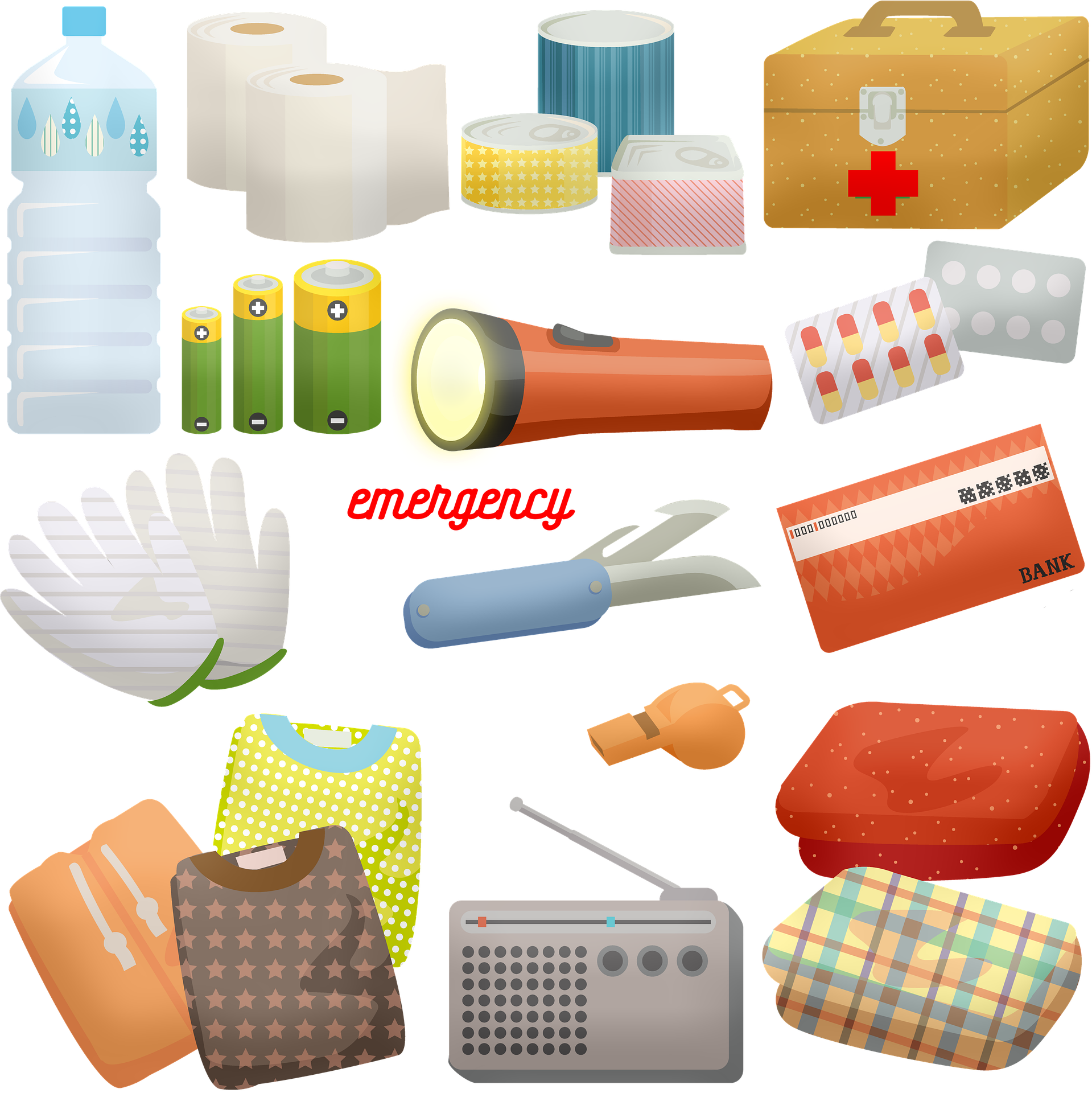
Supplies can make or break your family’s survival in an emergency. You must gather all the essentials:
- First-aid kit
- Prescription medicines
- Bottled water
- Nonperishable food
- Radio
- Flashlight
- Spare batteries
- Portable phone charger
- Toolbox
- Matches or a lighter
- Fire extinguisher
- Waterproof bags
- Duct tape
- Local maps
- Cash
Accumulate these supplies every day bit by bit until you’re confident in the collection. Store the food in a dry area at a cool temperature to maximize its shelf life. You can place the rest of the items around your house, car, job and other convenient locations.
7. Write Down Contact Information
You should write down the contact information of all your family members and friends. It’s not good enough to list them in your cell phone’s contacts because you will no longer have access to that information if the battery dies. Write everything down on a single sheet of paper and put it in a waterproof bag.
8. Secure Important Documents
You should go through the same procedure with essential documents. Print any virtual information and put the papers together in a safe place. Make sure you cover these documents:
- Birth Certificate
- Drivers License
- Passport
- Citizenship papers
- Medical records
- Property titles
- Insurance information
- Tax returns
- Wills
- Family photos
You can also store these documents on an external hard drive and keep the device with you at all times. You will need a computer to access them, but it’s smarter than carrying around a portfolio of all your personal information.
9. Pack a “Go” Bag
Your “go” bag is your first option for resources in the event of an emergency. It should have a small but sufficient amount of each item we discussed in the complete list of supplies. This bag should be a lightweight but durable backpack with many accessible compartments. You should also encourage your family to pack their own bags and carry them around. The bag will remind your children that preparedness is the best way to handle an emergency.
Keep Your Family in the Loop
As parents, you must lead the way in preparing your family for an emergency. That means keeping all of your family members, including young children, in the loop. You all must be on the same page if something happens. Outline a plan, practice it with them and help them gather the right supplies. We’re always on the doorstep of disaster, and your whole family should have the knowledge and means to prepare.
*This is a collaborative post