
Top Tips for Taking Photos of Coffee and Other Beverages
Getting into beverage photography is a great way to diversify your specialisation and become a more marketable photographer. After all, photographers who know how to make a simple beverage look good can work in various industries, such as food and beverage, hospitality, and publishing, and expand their career opportunities. However, to master the art of beverage photography (or any photography, for that matter), you need to hone your skills.
Even though taking a photo of a glass of wine or a can of soda sounds straightforward, there are a lot of things that go into the composition to get the perfect shot. Here are some techniques professional beverage photographers use to make ordinary drinks stand out, many of which can be done at your home studio or a professional photography studio London photographers can vouch for.
Use Natural Light Whenever Possible
When it comes to beverage photography, natural light is your best friend. Natural light provides a gentle illumination that minimises harsh shadows and highlights, enhancing the colours and textures of the drink. Additionally, the use of natural light contributes to a warm and inviting atmosphere in your beverage photos. It emphasises the drink’s natural tones and enhances its overall visual appeal, making it look more enticing.
Select the Right Backdrop
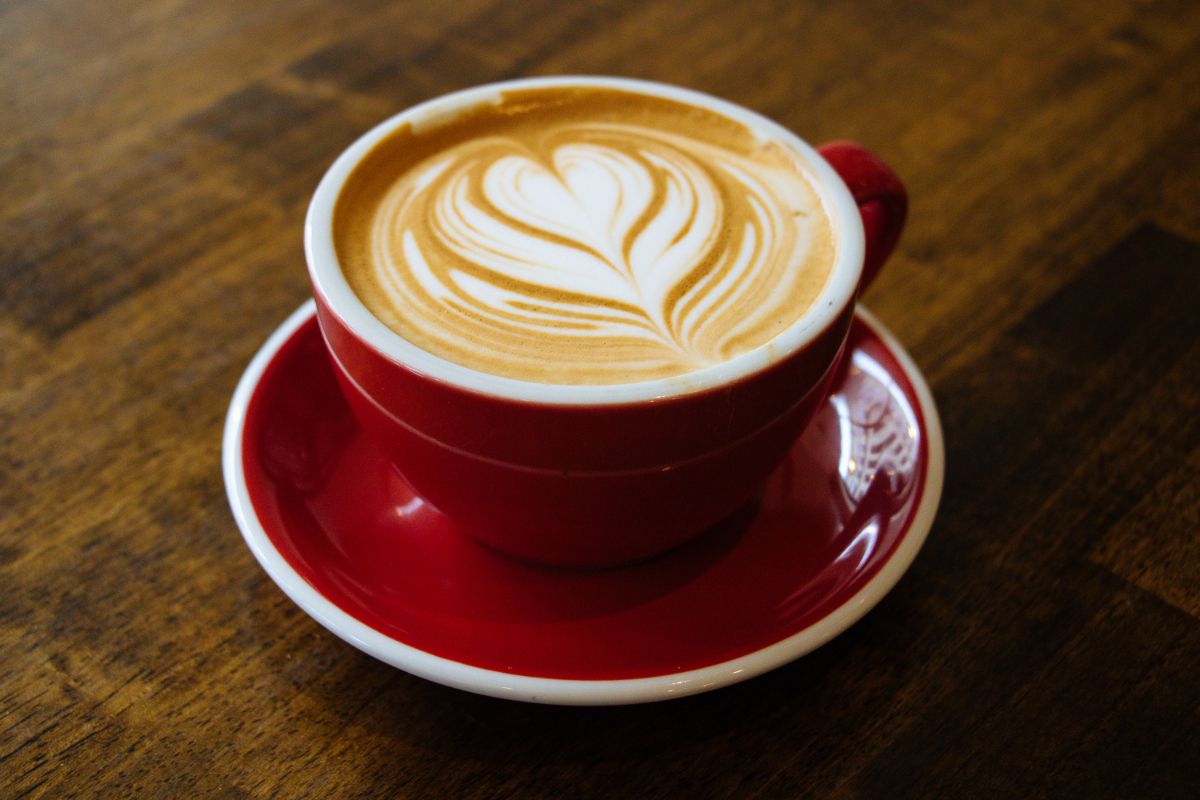
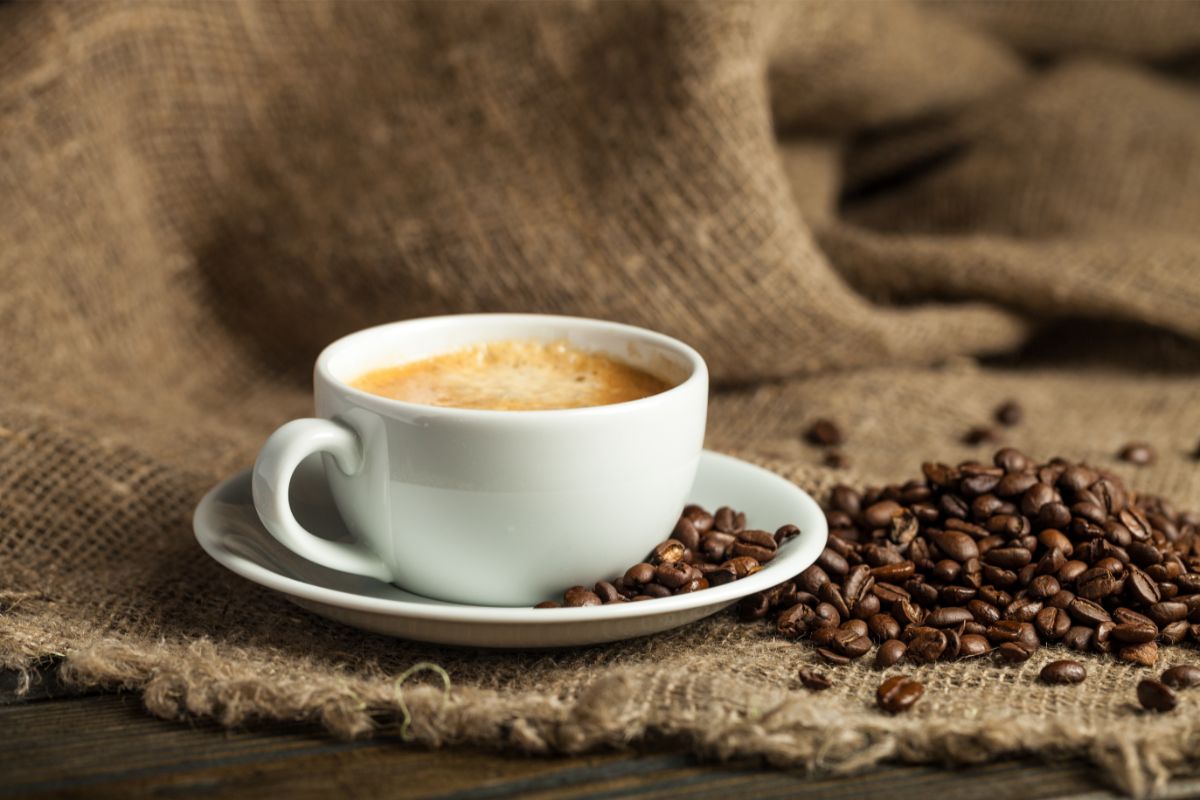
A well-selected background can complement the drink and add depth and context to your composition. The backdrop sets the stage for your beverage, influencing the mood and aesthetic of the image. Choose backgrounds that align with the style and theme of the drink. For instance, a rustic wooden surface may enhance the warmth of coffee; meanwhile, a sleek and modern background could suit cocktails or juices. By carefully selecting a backdrop, you can create a cohesive and visually pleasing composition.

Apply the Principles of Composition
To capture captivating beverage photos, it’s essential to apply fundamental principles of composition, such as the rule of thirds, leading lines, and symmetry. These guide the viewer’s eyes to where you want them to look, creating a harmonious and engaging visual experience. For instance, placing the beverage off-centre using the rule of thirds can add interest and balance to the composition. On the other hand, if you’re working with only one beverage, consider the lines and shapes within your frame, ensuring they lead the viewer’s gaze towards the focal point: the drink. Whether you’re a seasoned professional or an aspiring photographer, understanding these principles will significantly enhance the visual appeal of your beverage photos.
Play with Depth of Field
Manipulating the depth of field is a powerful technique in beverage photography. It allows you to control which elements of the image are in focus, drawing attention to specific details of the drink.
To create a shallow depth of field and blur the background, adjust the aperture on your camera to a low f-number. This technique is effective for isolating the drink from any distracting elements in its surroundings so that the audience can focus on the drink itself.
Use a Fast Shutter Speed for Action Shots
Capturing action shots adds dynamism and energy to your beverage photography. With a fast shutter speed, typically above 1/200 seconds, you can capture the energy of your compositions while maintaining sharpness in these dynamic moments. This is crucial when photographing moments like pouring, shaking cocktails, or any other activity that involves motion. Getting the perfect action shot can convey a sense of vitality and engagement in your compositions, making your beverage photos more interesting.
Add Accessories Thoughtfully
Carefully chosen accessories can elevate the visual appeal of your beverage photos. Garnishes, unique glassware, or complementary props can add layers of interest to your composition. These elements can provide additional points of interest in your images, enhancing the overall result. Just make sure not to overcrowd the scene; simplicity often works best because it allows the beverage to remain the focal point.
Incorporate Beverage Photography Tricks
In addition to fundamental techniques, consider using some specialised tricks to enhance the visual allure of your beverage photography. Here are a few beverage photography tricks that can add a touch of magic to your images:
Fake Ice
Simulating ice in your photos is a practical trick that works especially well with drinks that require a chilled appearance. Ice cubes made from acrylic or resin can maintain the desired look throughout the shoot without you having to worry about the ice melting.
Water and Glycerine Mix
To achieve a frosty, refreshing look on your beverage, mix water with glycerine and lightly brush it on the glass. This creates the illusion of condensation, making the drink appear chilled and inviting.
Spray Bottle with Water
For non-alcoholic beverages, a spray bottle filled with water can work wonders. Lightly mist the surface of the drink to mimic the appearance of a freshly poured or chilled beverage.
To be proficient in beverage photography, it’s important to practice different techniques used in enhancing the visuals of drinks in images, such as those included in this article. Once you’ve mastered them, you can transform any ordinary drink into a visual masterpiece with each composition.
* This is a collaborative post