
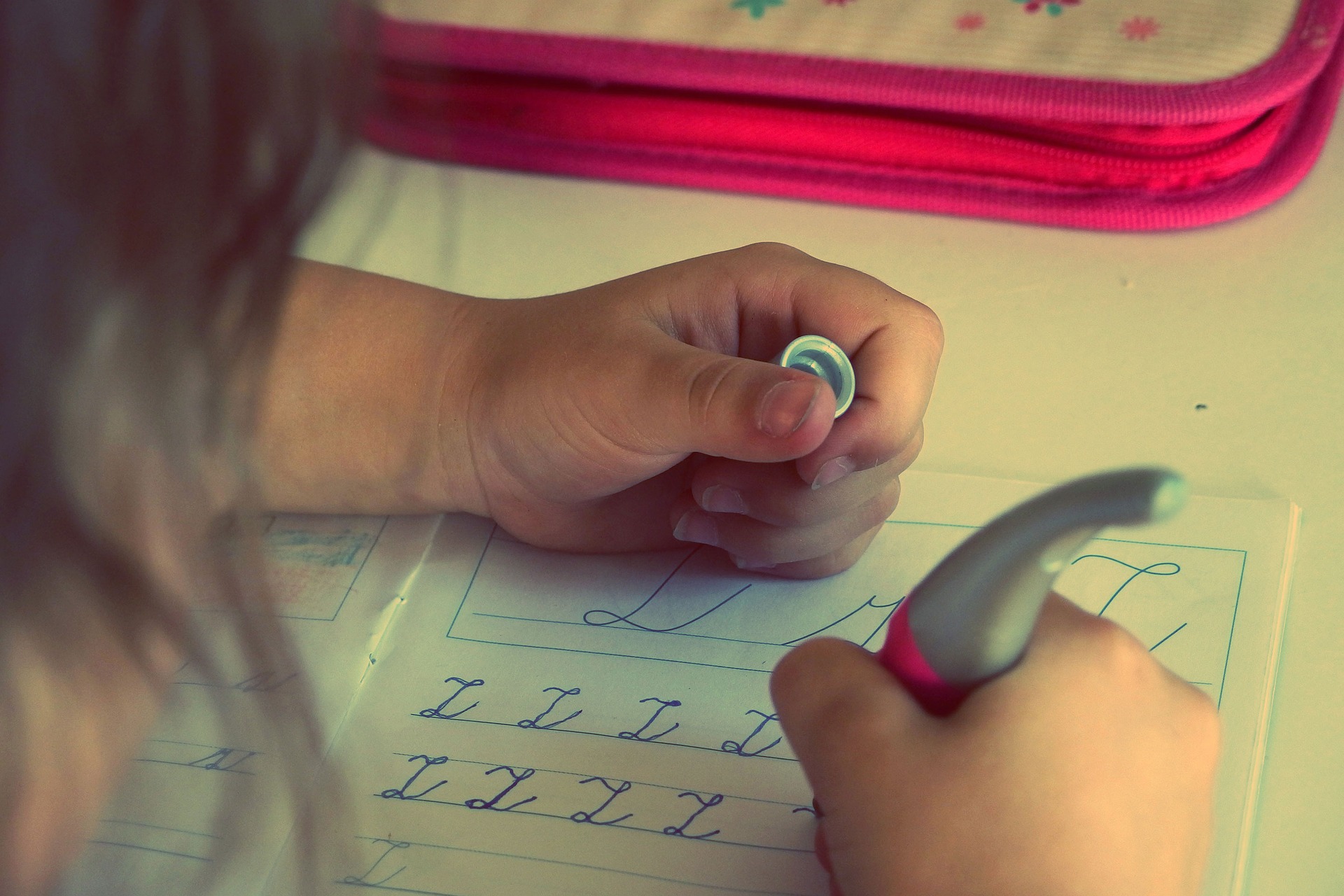
Help Your Children to Succeed
To succeed in today’s society, children need a good quality education. No matter what their skills or talents, they will be faced with standardised tests throughout their academic career. From SATs and the 11 Plus to GCSEs and A-Levels; future success is largely dependent on school performance.
If you want to give your child the best start in life, it’s important to support them educationally. For sure-fire ways to help your kids to succeed, take a look at these top tips now…
Make learning fun
If learning seems like a chore, the kids in your family simply won’t want to do it. While older children may respond well to set learning times, such as homework after school, younger children don’t need such a formulaic approach. By making learning a part of day-to-day activities, you can inspire your child’s curiosity and ensure they see learning as a fun opportunity.
Identify their strengths
Everyone has unique talents, so be sure to explore each child’s innate skills. When you play on their strengths, they will enjoy the sense of accomplishment and achievement they feel. This will come in handy when it comes to tackling skills or subjects they aren’t naturally inclined towards. In addition to this, identifying a child’s strengths gives them confidence and fosters high levels of self-esteem.

Place the same value on all subjects
Some parents are eager for their child to excel in science, while others prefer their child to focus on maths or technology. However, this may not be where your child’s interests lie. By placing the same emphasis across all subjects, your son or daughter will feel able to pursue their passions. It’s not unusual for a child’s favourite subject to change from term to term, so try not to prioritise one subject over another too early on in their academic journey.
Explore extra-curricular learning
Children can benefit from taking part in a variety of extra-curricular activities, including sports and games. With extra-curricular learning activities, however, they can enhance their academic performance, meet a new network of friends and explore a range of future options. Residential programmes, like those offered by Immerse Education, can be a great option for teens, particularly if they’re thinking of attending university. By giving them an insight into life at a top university and specialist tutoring, they will have the motivation to pursue their studies with added zeal.
Help your child to relax
School can be a stressful environment, especially as exams and assessments get nearer. As well as encouraging your child to revise and work hard at school, it’s important to teach them how to relax too. Active relaxation, such as breathing techniques and meditation, can be a healthy way to calm the mind and minimise anxiety, so it’s a vital skill for everyone to learn.
Supporting Your Child
Although parents are eager to help their children achieve their potential, your encouragement should never feel like excessive pressure. By teaching your child effort is more important than attainment, you can help them to succeed without putting them under unnecessary strain.
*This is a collaborative post*