

Caring for Your Lawn During a Heatwave
Though 2020 has been disappointing and unexpected with the pandemic, we have had our fair share of warm weather and heatwaves. Though the temperatures have dropped slightly, there is another supposed heatwave on the way making it essential to understand how we can care for and protect our lawns in hot weather.
Mow on a higher setting
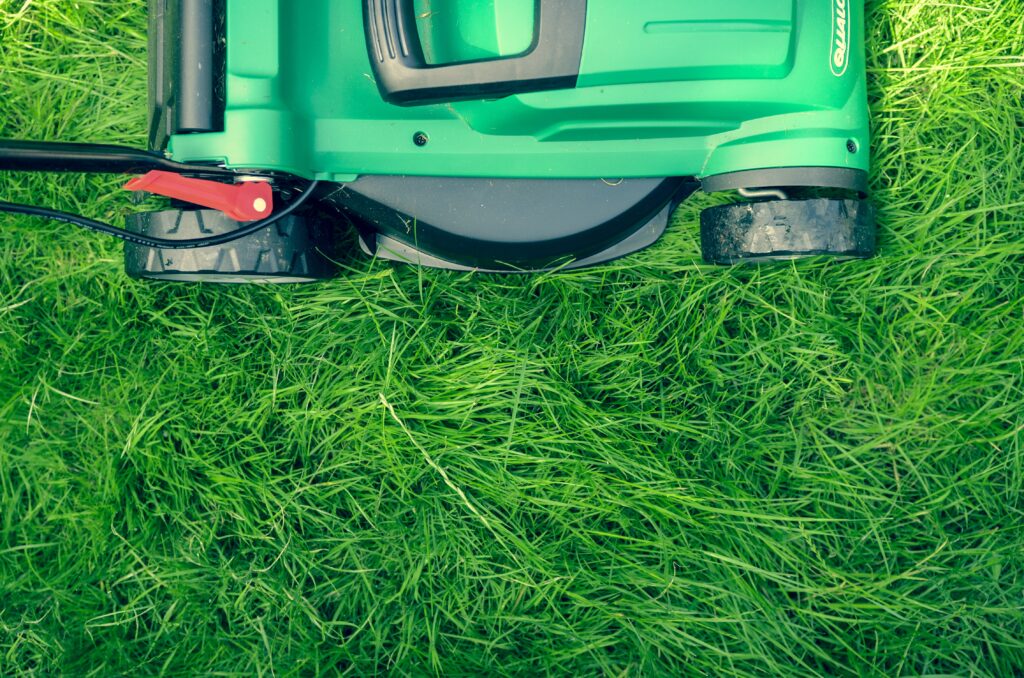
While you might assume that your lawn shouldn’t be mowed during a heatwave, this isn’t the case. It’s important to continue to mow your lawn at least once a week or every few days as normal, but on a higher setting. Raise the blades on your lawnmower to make sure you are never cutting off too much from your grass’ length.
The rule of thumb is never to cut more than a third of your grass’ length in one go and to aim for around 3 to 4 inches during summer. This way, your blades of grass have enough length to protect the soil underneath from direct sunlight and to generate energy for further growth.
Aeration
Over time, your soil will naturally become compact as people walk on the surface which can prevent it from absorbing nutrients and water from draining. To relieve the compaction and give your lawn a breath of fresh air (literally), use a rake to stab small holes deep into the soil at regular intervals.
The holes will aerate your lawn, allowing plenty of air, nutrients and water to flow freely into and among your soil. To make sure your lawn is aerated properly and effectively, it can be far easier to let a professional take over. Greensleeves’ lawn treatment experts have decades of experience in lawn care, providing a wide range of key treatments that combat problems and keep lawns thriving all year round. Their site is full of jam-packed lawn care advice.
Hydrate your lawn
This next tip is largely dependent on the circumstances, but it’s important to keep your lawn hydrated. Of course, when doing so, be mindful of your water usage during periods of intense heat and potential drought.
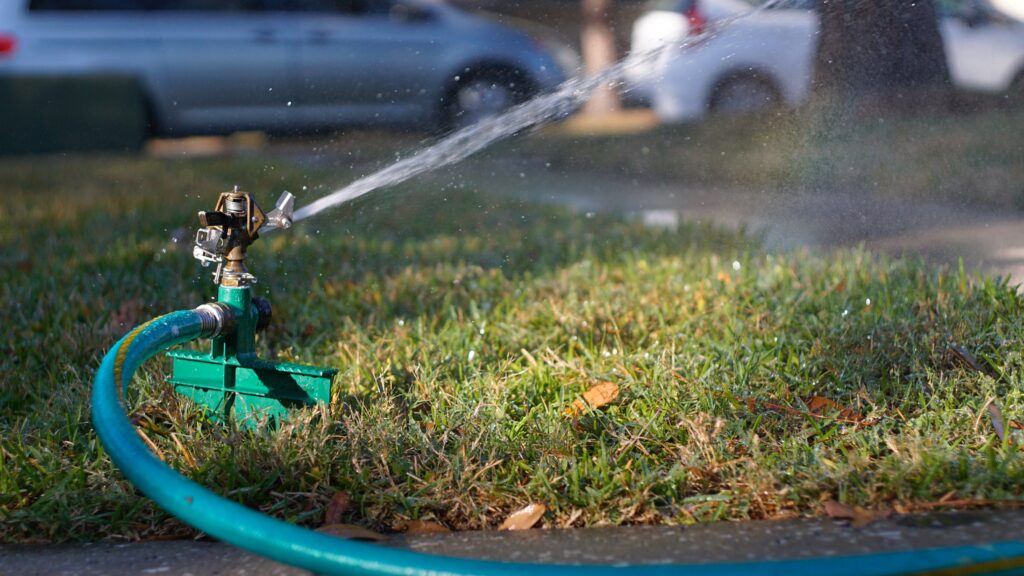
When watering your lawn, it’s best to do so early in the morning or late at night to steer clear of the peak times of day temperature-wise. You might not be very popular with the neighbours, but it steps your lawn from becoming scorched mid-afternoon. Don’t be half-hearted with your watering – deep watering once or twice a week is far more effective than only giving your lawn a small amount of water each day. You can simply use common sense to identify when your lawn appears dry and needs replenishing to avoid overdoing it.
Plan for autumn
Another way to care for your lawn during a heatwave is to start planning for the aftermath. Autumntime is a key period of time for lawn care. It’s all about helping your lawn recover from the heat and preparing it for the drop in temperature and frost ahead. You can scarify, aerate and fertilise your lawn so its equipped with all the tools and nutrients it needs to get through the winter without any permanent damage.
Brown patches
You may notice your that your lawn has started to turn brown in some areas during a heatwave. It may look slightly alarming but actually, this isn’t always something to panic about. Your grass will turn browner as it becomes dormant in an effort to conserve energy. After watering your grass or some rainfall, your grass is sure to turn green again.
This is a collaborative post – to see how we work with brands visit our work with us page or disclaimer page