
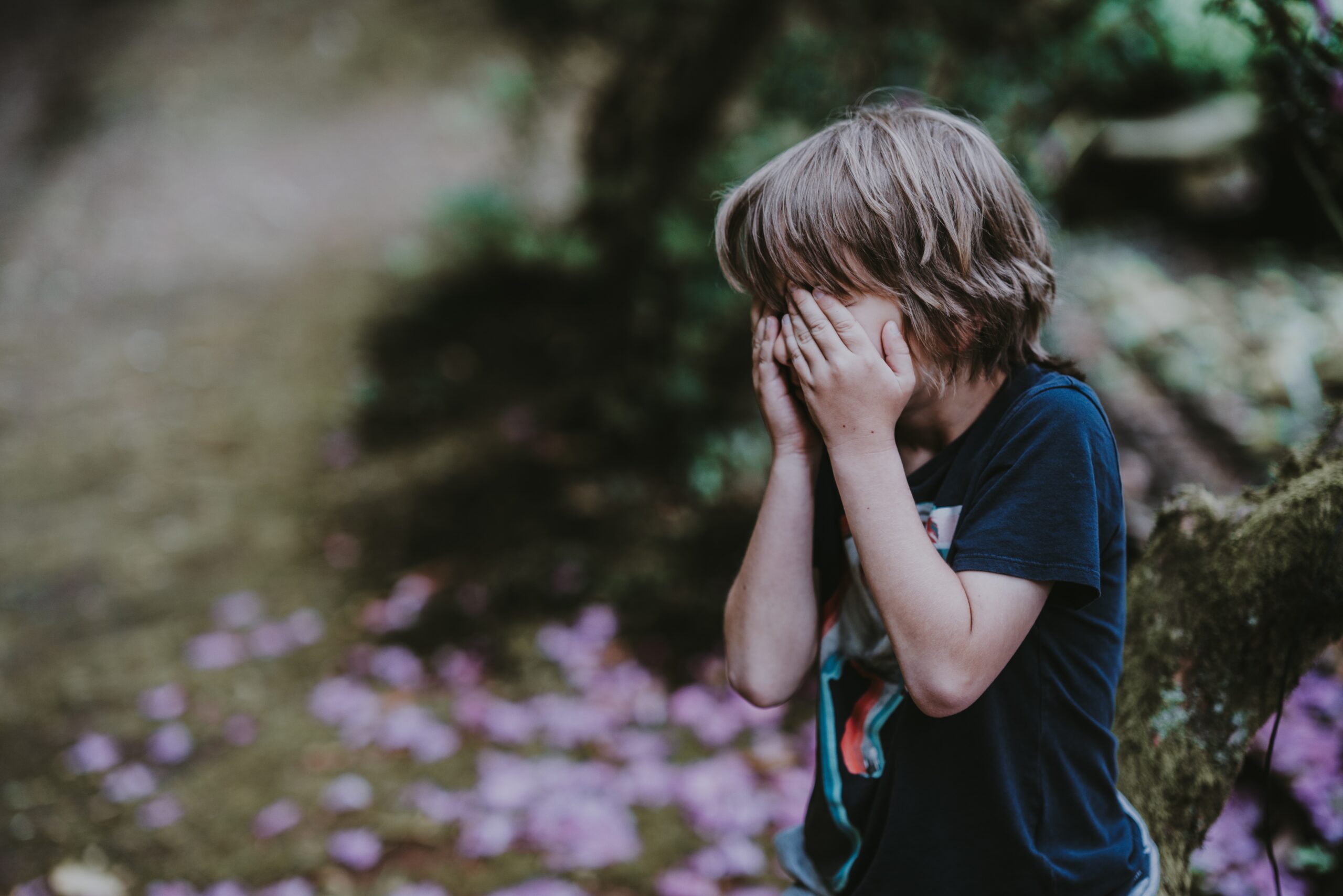
What You Can Do to Support Your Child’s Mental Health
Most adults perceive kids to be happy go lucky and endlessly joyous. However, children can and do struggle with the same mental health issues as adults. Today, one in six have a treatable disorder like depression or ADHD. However, for these kids to get the help they need, parents must become more aware of the signs and symptoms so they can support their little ones’ mental health.
Only then will their kids have the chance to recognize their emotions, voice their feelings and receive treatment. More importantly, they’ll join the fight to overcome the mental health stigma and encourage others to get help sooner.
1. Recognize Warning Signs
Recognising mental health issues can be difficult, even in adults, so you’ll have to be in tune with your child to notice the early warning signs. For instance, if your little one is experiencing depression, they may lose interest in school and interact less with other kids. Meanwhile, if you suspect they may have anxiety, you may have noticed that they often let their fears get the better of them.
Of course, these seemingly troublesome signs could also be a normal part of your kids’ development. Therefore, it’s best to talk to your doctor for an accurate diagnosis before jumping to conclusions and labelling possible symptoms.
2. Be a Good Listener
How well do you listen to your kids? Be honest. Odds are you’re half-listening, scrolling through your phone and cooking dinner at the same time. Sure, forgetting your child is even there while they go on and on about their favourite dinosaur won’t do much harm. However, if they start talking about their emotions, you’ll never know it.
Make eye contact with your child to minimize distractions and hone in on what they’re saying. Then, nod every so often and respond verbally to assure them you’re listening. Eventually, they’ll come to trust you more and share more sensitive thoughts and feelings, which may clue you into a mental illness.
3. Develop Routines
Kids require structure to truly thrive, which makes routines an absolute must. Even something as simple as a consistent bedtime can increase their independence and help them gain self-control. Plus, a routine will provide a safe environment full of predictable, controllable, constants, so they recognize negative reactions. Eventually, self-regulation will become a habit and make their mental health disorder more manageable.
4. Play at the Park
Most people know that soaking up some sunshine can boost your vitamin D levels and, subsequently, your mood. But did you know that simply being in nature — rain or shine — can improve your mental state, too?
Help your little ones minimize stress, improve focus, decrease depression and develop better interpersonal skills by visiting your local park. Go on a walk and teach your little ones about the Japanese practice of forest bathing or release some wiggles together on the playground. Odds are you’ll both feel better after enjoying that fresh air.
5. Practice Mindfulness
Maybe you’ve heard about mindfulness in your weekly yoga class or from a social media influencer. This mind-body practise helps practitioners learn the art of staying present, which can dramatically improve your outlook and, therefore, your mental health.
Introduce mindfulness to kids by using your senses to focus on the here and now. Close your eyes and count breaths together or try progressive muscle relaxation to exercise awareness. While sitting still and tuning in will take time and patience, your little one will learn valuable lessons from doing so and emerge from this activity with tools to help manage their mental health.
6. Limit Screen Time
Today’s generation is spending more and more time staring at screens, and it’s affecting their mental health, especially adolescents. Spending too much time scrolling through social media can produce poor body image, FOMO, anxiety and other negative reactions. Meanwhile, watching too much news can lead to worry and even depression.
Therefore, it’s crucial that parents limit screen time, much to the chagrin of nomophobic teenagers. Start weaning them off their ever-present by collecting phones at dinnertime or replacing family movie night with a game night. These small changes will add up to make a big difference in your entire family’s collective mood and mental attitude.
7. Seek Help
Only a small fraction of children with mental illnesses ever receive treatment, and your kid deserves to be one of them. Once you’re aware of the symptoms and surmise that your little one may be fighting a mental battle, make an appointment with the paediatrician. They’ll be able to administer tests, provide a diagnose or recommend doctors and treatment options. Plus, you’ll all find some hope in finally having a name for whatever condition they’re struggling with.
Prioritize Yourself
You can’t pour from an empty cup, so remember to take care of yourself before helping your kids. Only when you prioritize your own mental health and practice what you preach can you be there for your children and help them face their inner demons, too.
This is a collaborative post