
Three Urgent Climate Actions to Prioritise in 2022
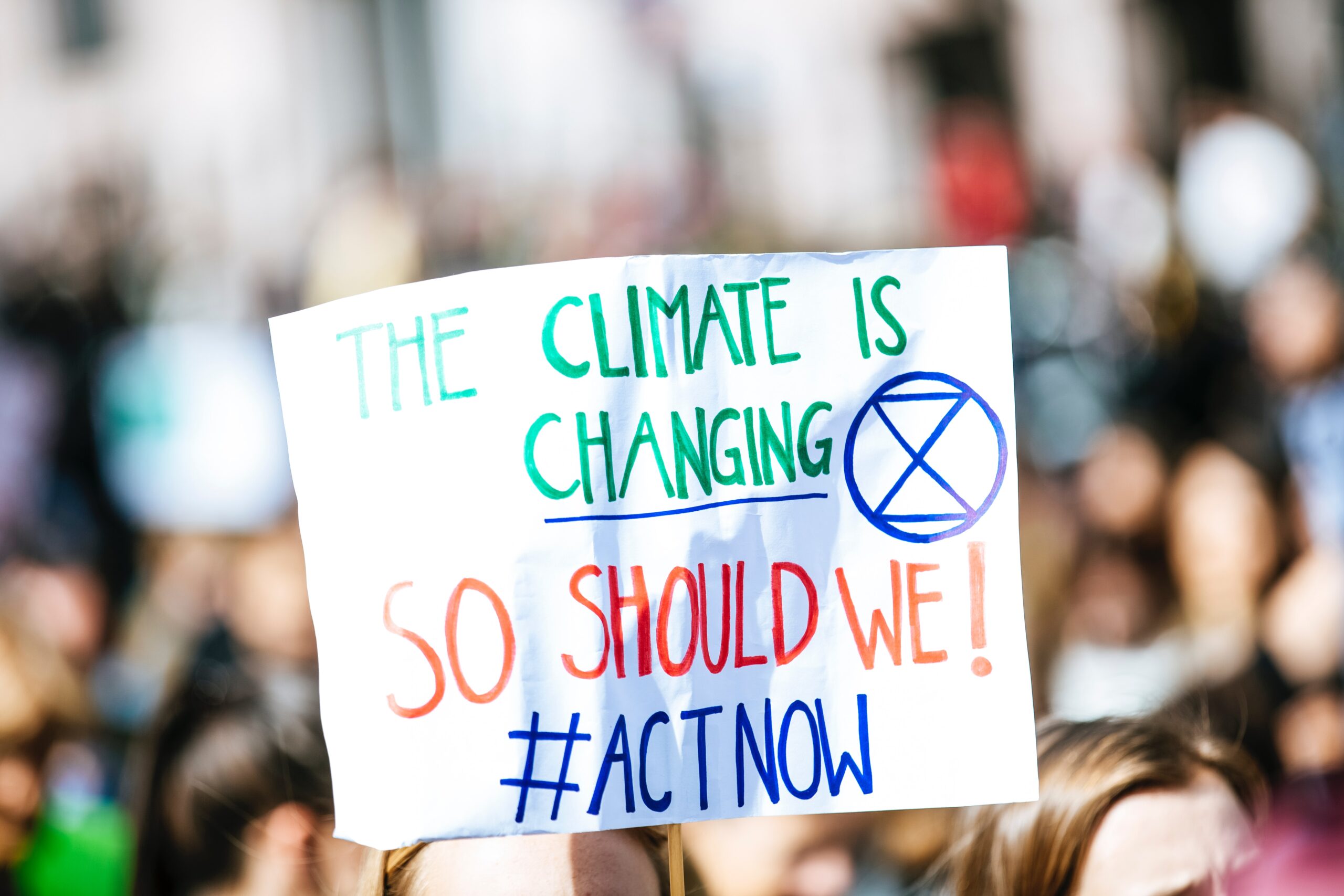
Glasgow’s COP26 summit was a bellwether moment for global climate action, as the 197 Parties convened to make historic agreements regarding global sustainability initiatives and the mitigation of global warming. With many talks and discussions held behind closed doors, and crucial progress hidden behind acronyms and legal documentation, it can be easy to lose sight of the important actions to see meaningful progress; here are three of the most important actions which require urgent application in 2022.
Reducing Greenhouse Gas Emissions
Reducing emissions of greenhouse gases such as methane and CO2 is the principal mechanism for halting the progress of the climate crisis. With many of the world’s major economies still reliant on fossil fuels to operate and survive, and the global meat industry outpacing the fossil fuel industry for gas emissions, the struggle is an uphill one. Despite perceived legislative inaction, the public have largely begun to adopt ecological measures on an individual basis to curb their own emissions, from recycling initiatives to transitioning away from petrol-powered vehicles.
There is also growing pressure to end fossil fuel subsidies; the UK government currently offers over £10 billion per year in tax breaks and research subsidy to the fossil fuel industry, the removal of which could slow the industry and prioritise bringing the costs of greener energy sources down – in turn impacting the country’s carbon footprint.
Climate Financing Initiatives
Climate finance is usually reserved to conversations surrounding the individual financial responsibilities of nation states to the climate fight. Less developed countries are less able to commit funding to ecological initiatives, with a cumulative effect of lessening global ability to create international programmes. Climate financing involves richer countries ‘plugging the gap’ for poorer nations, contributing to redress the balance and ensure a cohesive, united front against climate change.
However, climate finance can be considered more broadly, especially as private businesses and enterprises examine their own liabilities with regard to sustainability. Organisations are beginning to prioritise investigation of environmental, social and governance factors with regard to their operation and development, pinpointing key methods of smooth transition to greener processes and how to effectively allocate funding in that regard.
Investing in Rewilding
It can be easy to overlook conservation efforts when talking about climate change, as larger, global economic efforts take the fore – but conservation and restoration can have a key role in the fight against climate change. In particular, the concept of ‘rewilding’ has become one of particular interest in recent months, as climate campaigners and prominent ecological activists raise awareness of the practice. Rewilding serves to return industrial and agricultural land to its natural state, allowing the re-introduction of ecosystems and endangered wildlife. The UK’s prevailing ecosystem was the rainforest prior to agrarian society, and returning barren fields to rainforest conditions could not only improve conditions for species nearing extinction but contribute to pulling CO2 from the atmosphere.
*This is a collaborative post