
How To Boost Your Child’s Creativity
Creativity is a vital skill that goes beyond artistic expression; it is the cornerstone of problem-solving, critical thinking, and innovation. As parents, fostering creativity in our children is an investment in their future success and well-being. Here are some practical tips on how to boost your child’s creativity, inspired by the teachings of this independent school in Chelsea.
1. Encourage Imaginative Play
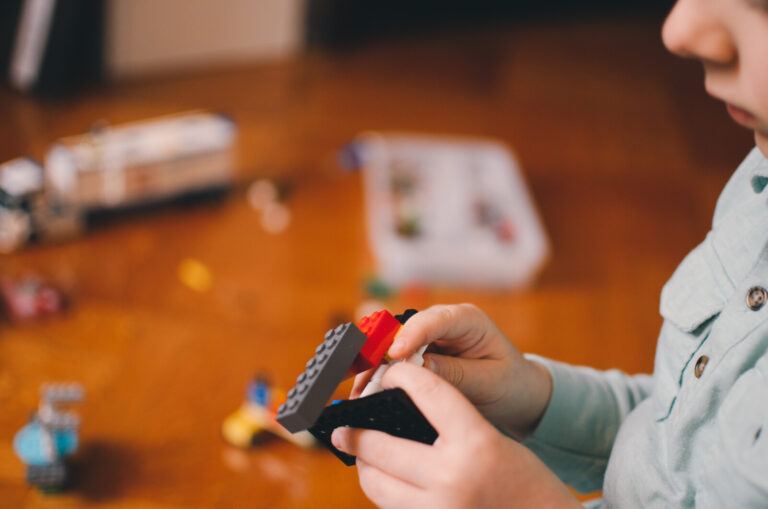
Imagination is the gateway to creativity. Foster a love for imaginative play by providing your child with open-ended toys like building blocks, dolls, or art supplies. Allow them to create their own narratives and scenarios. This not only stimulates creativity but also enhances cognitive development and social skills.
2. Create a Creative Environment
Set up a space at home dedicated to creativity. Fill it with art supplies, books, and materials that inspire curiosity. A well-equipped creative space sends a message that creativity is not only encouraged but also celebrated. Consider displaying your child’s artwork around the house to boost their confidence and pride in their creations.
3. Expose Them to Diverse Experiences
Take your child on field trips to museums, nature reserves, or cultural events. Exposure to diverse experiences broadens their perspective and provides a rich source of inspiration. Discussing these experiences with them afterwards can further stimulate their creativity by encouraging them to think critically and make connections between different concepts.
4. Limit Screen Time
While technology has its benefits, excessive screen time can hinder creativity. Encourage alternative activities like reading, drawing, or playing outside. Establish screen time rules and ensure that your child has ample opportunities to engage in hands-on, real-world experiences that fuel their creativity.
5. Support Their Passions
Pay attention to your child’s interests and passions. Whether it’s painting, playing an instrument, or storytelling, support and nurture these interests. Enrol them in classes or provide resources that allow them to explore and develop their skills further. Passion is a powerful motivator for creativity.
6. Ask Open-Ended Questions
Engage your child in meaningful conversations by asking open-ended questions that encourage them to think critically and express their ideas. Avoid yes-or-no questions, and instead, inquire about their thought process, preferences, and feelings. This helps them develop strong communication skills and the ability to articulate their creative thoughts.
7. Promote Problem-Solving
Creativity often involves finding innovative solutions to problems. Encourage your child to tackle challenges independently and provide opportunities for them to problem-solve. This fosters resilience and a proactive approach to overcoming obstacles, which are crucial elements of a creative mindset.
8. Celebrate Mistakes
Creativity is not about perfection; it’s about exploration and expression. Teach your child that mistakes are a natural part of the creative process. Celebrate their efforts rather than focusing solely on the end result. This mindset fosters a positive attitude towards learning and experimentation.
9. Model Creativity
Children learn by example, so demonstrate your own creative pursuits. Whether it’s cooking, gardening, or engaging in a hobby, let your child see that creativity is a lifelong and enjoyable pursuit. Share your creative process with them and involve them when possible.
10. Read Together
Reading is a powerful tool for developing creativity. Choose books that inspire imagination, creativity, and critical thinking. Discuss the stories with your child, encouraging them to share their interpretations and ideas.
Fostering creativity in your child is a multifaceted endeavour that involves creating the right environment, offering diverse experiences, and supporting their interests. By embracing these strategies, you’re not only nurturing their creative abilities but also empowering them to approach life with curiosity, innovation, and a zest for learning.
*This is a collaborative post