
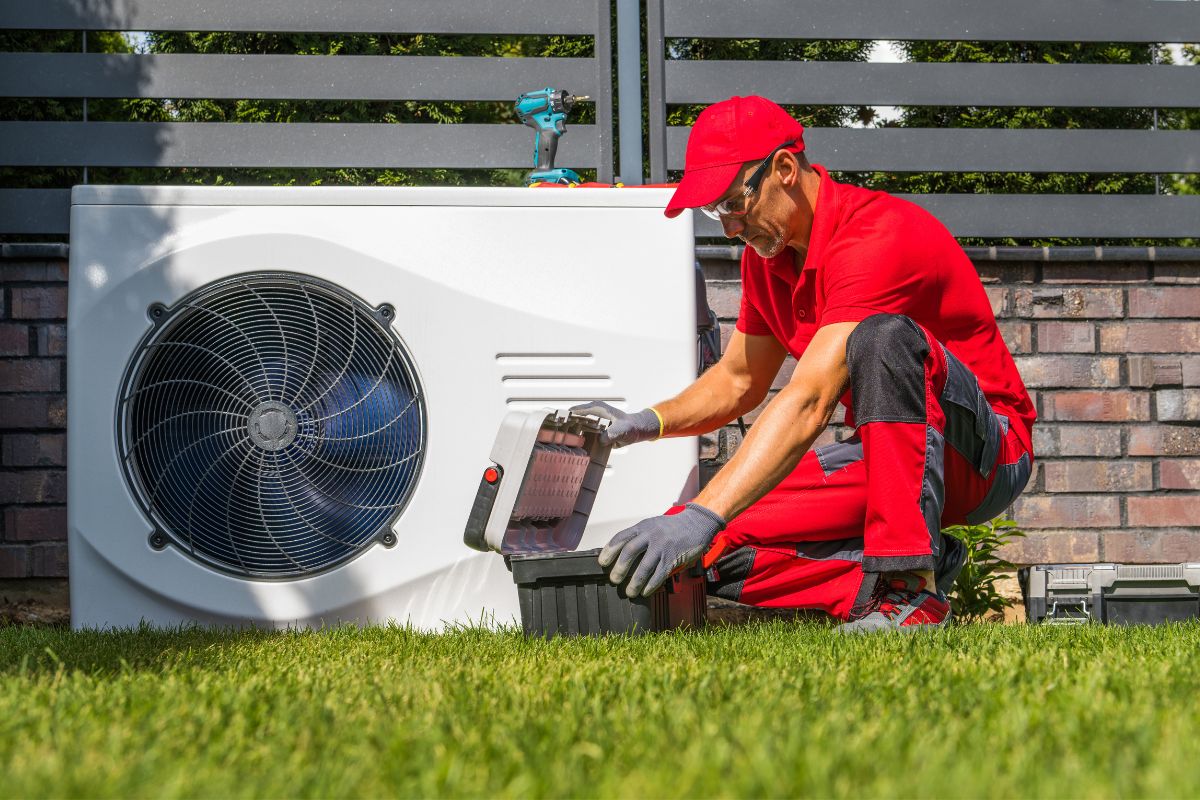
A Practical Look at Air Source Heat Pump Service Plans
Why Service Planning Matters for Heat Pump Owners
Air-source heat pumps are designed to provide reliable heating and hot water for many years. They operate differently from traditional boilers and run continuously throughout the year. As a result, regular attention and servicing is essential. A service plan from a professional company can organise that care in a structured way. It focuses on prevention rather than repair. Routine checks help keep the system running smoothly and safely. Without regular servicing, minor issues can go unnoticed. These issues may slowly affect efficiency or comfort. A service plan creates a clear schedule for inspections. It removes uncertainty about when maintenance should happen. This can be especially helpful for households that rely entirely on a heat pump. Consistent servicing supports predictable performance. It also helps reduce the risk of sudden faults. From a practical perspective, service planning is about maintaining stability rather than reacting to problems after they occur.
What a Typical Service Plan Covers
Most service plans are designed around regular inspections and basic maintenance tasks. These usually include checks on the indoor and outdoor units. Engineers often examine electrical connections, airflow, and system controls. Filters are inspected and cleaned when necessary. Refrigerant levels may also be reviewed to ensure correct operation. The aim is to confirm that all parts are working as intended. An air source heat pump service plan may also include performance checks. These help identify changes in efficiency over time. Written reports are often provided after each visit. These reports explain the findings clearly. They help homeowners understand the condition of their system. Service plans typically do not cover major repairs or replacement parts. Their role is preventive rather than corrective. Knowing what is included allows homeowners to set realistic expectations and avoid misunderstandings later.
The Impact of Servicing on Efficiency and Comfort
Efficiency is one of the main reasons people choose heat pumps. Over time, dust, debris, or minor faults can affect performance. Even small issues can reduce heat output or increase energy use. Regular servicing helps prevent this gradual decline. An air-source heat pump service plan helps maintain consistent efficiency by addressing issues early. Clean components allow better heat transfer. Correct system settings help the unit respond accurately to temperature changes. This results in more stable indoor comfort. Servicing also helps ensure the system operates quietly and smoothly. Uneven heating or frequent cycling can often be traced back to maintenance issues. Addressing these during routine visits improves daily comfort. From an energy perspective, maintaining efficiency helps control operating costs. While servicing does not eliminate energy use, it helps ensure the system operates as designed. This practical benefit becomes more noticeable over extended use.
Supporting Long-Term System Reliability
Heat pumps are long-term investments. Their lifespan depends heavily on how well they are maintained. Regular servicing supports the health of key components. Electrical parts, fans, and compressors all benefit from routine checks. An air source heat pump service plan helps ensure these checks are not missed. Over time, neglected systems may experience more frequent faults. These faults can lead to higher repair costs and reduced system life. Servicing also helps identify components that are wearing out. This allows for planned maintenance rather than sudden breakdowns. Planned action is usually less disruptive and less costly. Reliability is not only about avoiding failure. It is about ensuring the system performs consistently year after year. For households that rely on their heat pump for heating throughout winter, reliability is essential. Service plans support this by promoting regular attention rather than occasional fixes.
Deciding Whether a Service Plan Is Suitable
Not every home has the exact requirements. The value of an air source heat pump service plan depends on several factors. These include system age, usage levels, and household preferences. Newer systems may require less frequent attention at first. Older systems often benefit more from regular checks. Homes with higher heating demand may also benefit more from planned servicing. Personal confidence with system monitoring also matters. Some homeowners are comfortable tracking performance themselves. Others prefer professional oversight. Service plans offer reassurance that maintenance will not be overlooked. Before committing, it is essential to review the plan. Service frequency, reporting, and exclusions should be precise. A suitable plan should feel practical rather than restrictive. The goal is to support the system, not add complexity. Taking time to assess these points leads to better decisions.
A Balanced Approach to Heat Pump Care
Service plans should be viewed as one part of the overall system care. They are not mandatory, but they can be helpful. An air source heat pump service plan provides structure and consistency. It supports efficiency, comfort, and reliability over time. Most importantly, it encourages a proactive approach to maintenance. This reduces uncertainty and helps homeowners stay informed. Clear information allows people to make choices based on understanding rather than pressure. By focusing on practical benefits instead of promotion, service plans can be assessed objectively. Heat pumps are designed to deliver long-term performance. Caring for them correctly supports that goal. With the proper knowledge, homeowners can manage their systems.
*This is a collaborative post