
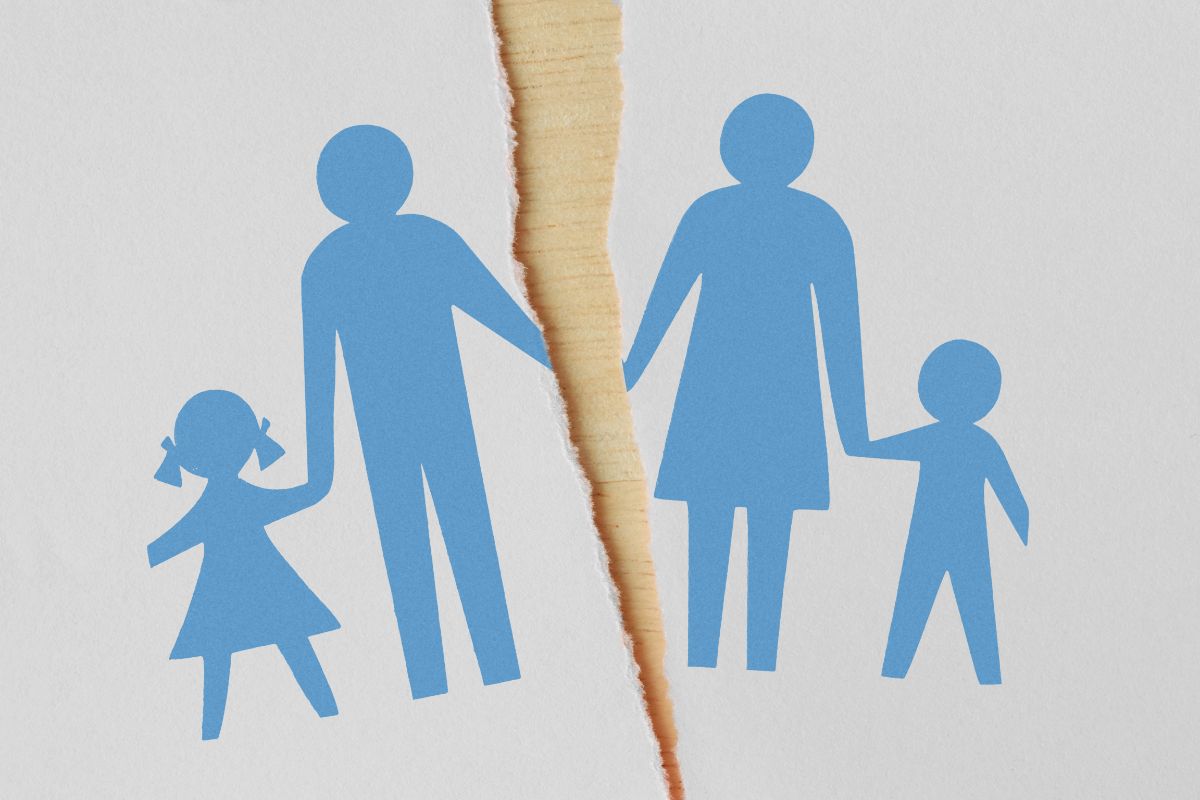
The Impact of Divorce on Surrogacy Agreements: What You Need to Know
In this article, we’ll discuss the impact divorce can have on an active surrogacy agreement.

Divorce can have profound effects on many aspects of life, but one area that is often overlooked is its impact on surrogacy agreements. If you are considering surrogacy or are already involved in a surrogacy arrangement, understanding how divorce may alter these agreements is crucial.
Given the complexities of the legal landscape, consulting with child law solicitors can provide you with the guidance you need.
Legal Framework of Surrogacy Agreements
Surrogacy agreements, while increasingly common, are bound by specific legal frameworks. In the UK, the law does not automatically recognise the intended parents as the legal parents at birth. Instead, you must apply for a parental order to secure legal parenthood. This process can be complicated by divorce.
Parental Orders
A parental order transfers legal parenthood from the surrogate to the intended parents. When a couple divorces, the application for a parental order may become more complex. The court will consider the best interests of the child, including the stability of the home environment offered by each parent.
Financial Considerations
Financial arrangements are a critical aspect of any surrogacy agreement. Divorce can further complicate these arrangements, particularly when it comes to funding the surrogacy process and subsequent child-rearing expenses. Here are a few points to consider:
- Initial Costs: These include medical expenses, legal fees, and surrogate compensation. Divorce can affect how these costs are shared between the ex-spouses.
- Ongoing Child Support: Once the child is born, ongoing financial support must be agreed upon. Divorce may result in additional child support obligations for one or both parents.
Division of Assets
The division of assets during a divorce can also impact your surrogacy agreement. Courts will assess various factors, including the needs of the child and each parent’s financial situation. This assessment can affect how costs related to the surrogacy are allocated.
Psychological and Emotional Impact
The psychological and emotional impact of divorce on all parties involved in a surrogacy agreement should not be underestimated. This includes not only the intended parents but also the surrogate and the child.
Impact on the Child
Divorce can be a stressful experience for children, and those born through surrogacy may face additional questions about their origins and identity. Research has shown that children of divorce may experience a range of emotional challenges, including issues with trust and stability.
Impact on the Surrogate
The surrogate may also experience emotional stress due to the divorce of the intended parents. The surrogate’s wellbeing is essential for the successful completion of the surrogacy process, and any emotional turmoil can complicate this journey.
Legal Rights and Responsibilities
Divorce can significantly impact the legal rights and responsibilities of the intended parents in a surrogacy agreement. It is essential to understand how the dissolution of a marriage can alter the legal landscape, particularly concerning custody and visitation rights.
Custody Arrangements
When a divorce occurs, custody arrangements for the child born through surrogacy will need to be established. The court will consider various factors to determine the best interest of the child, including:
- The emotional bond between the child and each parent.
- The ability of each parent to provide a stable environment.
- The child’s wishes, depending on their age and maturity.
These considerations are crucial in ensuring that the child’s welfare is prioritised in the wake of divorce.

Visitation Rights
In addition to custody arrangements, visitation rights must be clearly outlined. These rights ensure that the non-custodial parent maintains a meaningful relationship with the child. Given the unique circumstances of surrogacy, it is vital to establish a visitation schedule that supports the child’s needs and promotes healthy relationships with both parents.
Steps to Mitigate Conflict
To manage the complexities of divorce on surrogacy agreements effectively, consider the following steps to mitigate conflict:
- Open Communication: Maintain open lines of communication with all parties involved, including the surrogate. Transparency can help to manage expectations and reduce misunderstandings.
- Legal Counsel: Engage experienced legal professionals who specialise in surrogacy and family law to navigate the intricacies of your specific situation.
- Mediation: Consider mediation as a way to resolve disputes amicably. Mediation can provide a platform for both parties to discuss their concerns and reach mutually beneficial agreements.
Impact on Future Surrogacy Plans
If you are considering future surrogacy arrangements, it is important to acknowledge how a previous divorce might impact these plans. Potential surrogates and agencies may consider your marital history when determining your suitability as intended parents.
Rebuilding Trust
Rebuilding trust and demonstrating stability can be essential steps in moving forward with future surrogacy plans. Being transparent about past experiences and showing a commitment to providing a loving and stable environment for the child can positively influence the decision-making process of surrogates and agencies.

The impact of divorce on surrogacy agreements…
Divorce can undeniably complicate surrogacy agreements, but understanding the legal, financial, and emotional ramifications can help you navigate these challenges effectively. By maintaining open communication, seeking specialised legal counsel, and prioritising the best interests of the child, you can mitigate potential conflicts and ensure a positive outcome.